
Quick Answer
Personal trainers who work with older adults or clients with chronic health conditions should be prepared to respond to medical emergencies.
While exercise is beneficial for most people, certain populations have a higher risk of experiencing cardiac events, breathing difficulties, or other health emergencies during physical activity.
CPR certification equips trainers with the skills to recognize emergencies, begin lifesaving care, and respond confidently until emergency medical services (EMS) arrive.
Why High-Risk Clients Require Extra Attention
Most exercise sessions are completed safely, but some clients have medical conditions or age-related factors that increase their risk of complications during physical activity. As a personal trainer, you are not expected to diagnose medical conditions or provide medical treatment. However, you are often the first person to recognize when something is wrong.
Being CPR certified and prepared to respond appropriately can make a significant difference in an emergency. It also demonstrates professionalism and a commitment to client safety.
Who Are Considered High-Risk Fitness Clients?
High-risk clients are individuals who may be more likely to experience a medical emergency while exercising due to age, health conditions, or physical limitations. Examples include:
- Older adults, especially those over age 65
- Individuals with heart disease or a history of heart attack
- Clients with high blood pressure (hypertension)
- People living with diabetes
- Individuals with obesity
- Clients with asthma or chronic obstructive pulmonary disease (COPD)
- Individuals recovering from surgery or cardiac rehabilitation
- Pregnant clients with medical complications
- Clients taking medications that affect heart rate, blood pressure, or balance
Having one of these conditions does not mean someone should avoid exercise. In fact, regular physical activity is often recommended as part of managing many chronic conditions. It simply means trainers should take appropriate precautions and be prepared to respond if an emergency occurs.
Common Medical Emergencies Personal Trainers May Encounter
Although serious emergencies are uncommon, personal trainers should be familiar with situations that require immediate action.
Cardiac Arrest
Sudden cardiac arrest occurs when the heart unexpectedly stops beating effectively. Without prompt CPR and the use of an automated external defibrillator (AED), survival rates decrease rapidly with each passing minute.
Warning signs may include:
- Sudden collapse
- Loss of consciousness
- No normal breathing or only gasping
- No detectable pulse (for trained responders)
Immediate activation of EMS, CPR, and AED use are critical.
Heart Attack
A heart attack occurs when blood flow to part of the heart is blocked.
Possible symptoms include:
- Chest pain or pressure
- Pain spreading to the arm, jaw, neck, or back
- Shortness of breath
- Cold sweat
- Nausea
- Unusual fatigue
Unlike cardiac arrest, a person experiencing a heart attack is often awake and responsive. Emergency medical care should be sought immediately because a heart attack can progress to cardiac arrest.
Severe Breathing Problems
Exercise can sometimes trigger serious breathing difficulties, particularly in clients with asthma or chronic lung disease.
Watch for:
- Severe shortness of breath
- Wheezing that does not improve
- Difficulty speaking
- Bluish lips or fingernails
- Signs of respiratory distress
Clients should follow their prescribed action plans, and EMS should be contacted if symptoms become severe or do not improve.
Diabetic Emergencies
Clients with diabetes may experience blood sugar levels that become too low (hypoglycemia) or too high (hyperglycemia).
Possible warning signs include:
- Confusion
- Sweating
- Shaking
- Dizziness
- Weakness
- Loss of consciousness
Knowing that a client has diabetes and recognizing early symptoms can help ensure they receive prompt medical assistance.
Heat-Related Illness
Outdoor workouts or hot indoor environments increase the risk of:
- Heat exhaustion
- Heat stroke
- Dehydration
Encourage proper hydration, appropriate clothing, and rest breaks, especially during warmer months.
How Personal Trainers Can Reduce Risk
While emergencies cannot always be prevented, trainers can take practical steps to create a safer training environment.
Conduct a Thorough Health Screening
Before beginning a new exercise program:
- Review health history forms.
- Ask about chronic medical conditions.
- Discuss medications that may affect exercise tolerance.
- Encourage clients to obtain medical clearance when appropriate.
A comprehensive assessment helps identify potential risks and informs appropriate exercise programming.
Design Individualized Exercise Programs
Avoid using a one-size-fits-all approach.
Consider:
- Fitness level
- Age
- Medical history
- Mobility limitations
- Physician recommendations
- Exercise experience
Progress workouts gradually and monitor how clients respond to increasing intensity.
Learn the Warning Signs
Stop exercise immediately if a client experiences:
- Chest pain
- Severe dizziness
- Fainting
- Extreme shortness of breath
- Confusion
- Sudden weakness
- Loss of coordination
Ignoring these symptoms can increase the risk of a serious medical emergency.
Keep Emergency Equipment Accessible
Whenever possible, know the location of:
- Automated External Defibrillators (AEDs)
- First aid kits
- Emergency exits
- Facility emergency phones
If you train clients in parks or private homes, have a plan for contacting emergency services quickly.
Why CPR Certification Is Especially Important
CPR certification prepares personal trainers to:
- Recognize life-threatening emergencies
- Activate emergency medical services quickly
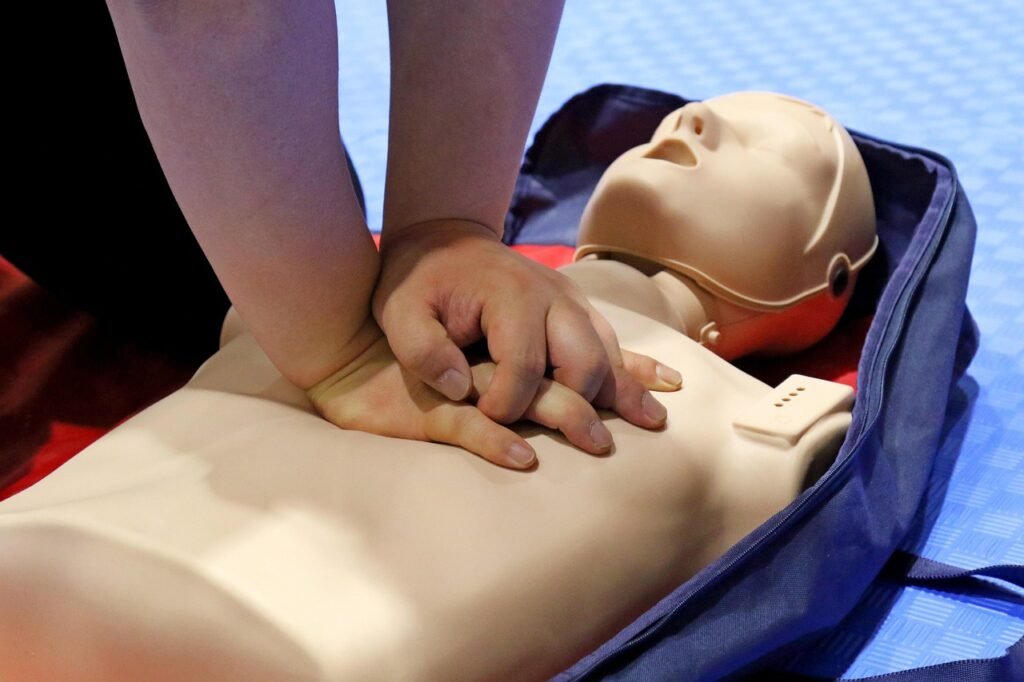
- Perform high-quality CPR
- Use an AED safely
- Respond confidently under pressure
- Support clients until professional responders arrive
Many gyms, fitness centers, and health clubs require trainers to maintain current CPR certification as a condition of employment. Even when it is not mandatory, certification demonstrates professionalism and reassures clients that their safety is a priority.
Communicating With High-Risk Clients
Building trust begins with open communication.
Encourage clients to:
- Share changes in their health.
- Report new medications.
- Mention recent surgeries or hospitalizations.
- Speak up if they experience discomfort during exercise.
Creating an environment where clients feel comfortable discussing health concerns can help prevent problems before they become emergencies.
Common Mistakes Personal Trainers Should Avoid
Avoid these common errors when working with higher-risk clients:
- Assuming every client can follow the same workout plan
- Ignoring complaints of chest discomfort or dizziness
- Progressing exercise intensity too quickly
- Failing to review health history regularly
- Allowing CPR certification to expire
- Not knowing the facility’s emergency action plan
Being proactive is one of the most effective ways to reduce risk.
Final Thoughts
Working with older adults and clients who have chronic health conditions can be both rewarding and impactful. These individuals often benefit greatly from regular physical activity, but they may also require additional attention to safety and emergency preparedness.
Current CPR certification, familiarity with emergency response procedures, and thoughtful exercise programming help personal trainers create a safer environment for every client. Beyond meeting employer requirements, these skills demonstrate professionalism, build client confidence, and prepare trainers to respond effectively if the unexpected occurs.
Frequently Asked Questions
Are older adults considered high-risk clients?
Older adults may have a greater likelihood of chronic health conditions or age-related changes that require exercise modifications. However, many older adults exercise safely and benefit significantly from regular physical activity.
Can people with chronic diseases exercise safely?
In many cases, yes. Exercise is often recommended as part of managing conditions such as diabetes, hypertension, and heart disease. Programs should be tailored to the individual’s health status and medical guidance.
Does CPR certification allow personal trainers to provide medical treatment?
No. CPR certification prepares trainers to recognize emergencies, provide lifesaving care within their training, and activate emergency medical services. It does not authorize trainers to diagnose or treat medical conditions.
Should every personal trainer have CPR certification?
Many employers require it, and it is widely regarded as an essential professional credential for anyone responsible for supervising exercise sessions.
Is an AED important in a fitness facility?
Yes. When used promptly alongside CPR, an AED can significantly improve the chances of survival for someone experiencing sudden cardiac arrest.